
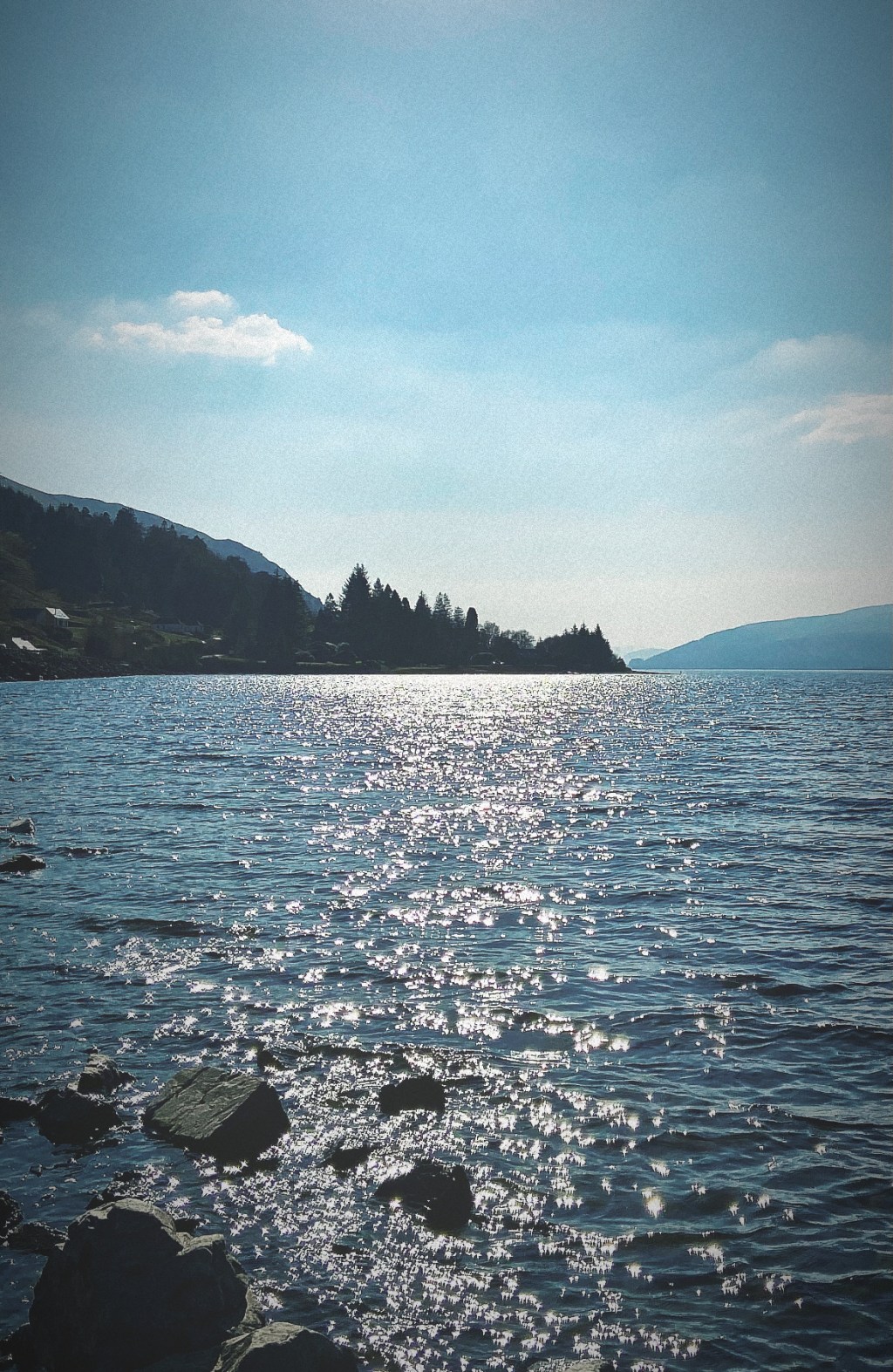
Multitude came to life not on March 3rd when it was released worldwide but on March 27th. It was freezing, I was half-asleep on a tour bus leaving Edinburgh and I could barely keep up with what the guide was saying about kilts, moors, and haggis. But the antique charm of Old Town and colossal bridges bordering the city made way for crystalline lakes, lush forests, and hills that guarded as silent giants the most breathtaking view Scotland showcases. That’s when I fully woke up. I put on my headphones and played for the first time the third studio album by Belgian maestro Stromae, a record I had sacredly downloaded twenty-four days ago. And so Multitude came to life in the Scottish Highlands.
I wanted to play it somewhere special where I could savor it more if it was memorable, or forget about it if it let me down by just enjoying the tour. As someone who only understands a few words of French here and there, I didn´t expect those twelve tunes by Stromae to make such a deep impact; the setting, made up of ancient towns, majestic valleys, and the core of the Scottish nature bathed in the precious sun of a dying winter certainly helped them. But the songs also aggrandized the mystic aura of the Highlands. They shaped that Sunday into something even more exceptional with their cavaquinhos, harpsichords, charangos or synthesizers.
I remember arriving at Fort Augustus, a village next to Loch Ness. I wandered for a bit until I found a spot free of tourists with the lake all to myself, its calm waters oscillating right before me, attracting my steps. I sat down, listened to the water and listened to the Highlands for a while; then I played Multitude again and, my God, what an absolute delight. It was probably La Solassitude at that moment, a melancholy tune of solitude that ends with the strings of the erhu, also known as the Chinese violin. It gave me goosebumps, being where I was, surrounded by this impossibly perfect and mesmerizing view, the music penetrating right into my heart with its fascinating rhythms.
Le célibat me fait souffrir de solitude, la vie de couple me fait souffrir de lassitude. “Celibacy makes me suffer from loneliness, the life of a couple makes me suffer from weariness.” That chorus resonated in my mind the rest of the trip, and even today I repeat it like a prayer, some of the few French words I dare pronounce when listening to that song for the millionth time. After finding the translation for the remaining melodies, I realized I had been listening to a masterpiece maundering through the darkest and brightest corners of the soul. And it all happened as I crossed through a remote paradise that put in full display that solitude and sublimity the songs spoke about.
Mauvaise Journée was another piece of beauty accompanying me when the tour arrived at Loch Lochy. Something about the cadence flowing with the wind that caressed the water, each beat punctuating my jumps from rock to rock until I reached the shore to touch the glacial lake. And L’Enfer, ominous and epic, the chorus in synch with the twilight setting around as I left behind Newtonmore and its coos or Pitlochry with its whisky ice cream shops. The Scottish countryside needs no score to take your breath away, but having some powerful music to combine with the scenery truly elevates the experience.
Whenever I take a digital stroll through Stromae’s discography, I reserve thirty-five minutes for Multitude to transport me back to each and every detail from that glorious day, from Loch Ness with its frosty temperature to the buttery flavor of the shortbread cookies I ate on our way to Spean Bridge or the woodsy fragrance emanating from Glen Lochay. So, while a new chance to visit Scotland comes up, Stromae surely does a good job of taking me there.
 Voyassitude
Leave a comment